Bate Papo Academy (English)
This podcast offers timely discussions about Brazil, covering current events and cultural topics. It is presented in English, making Brazilian issues accessible to an international audience. The show is produced by Bate Papo Academy, a platform focused on Brazilian discourse.
Episódios
Reassessing Anarcho-Syndicalism in Brazil
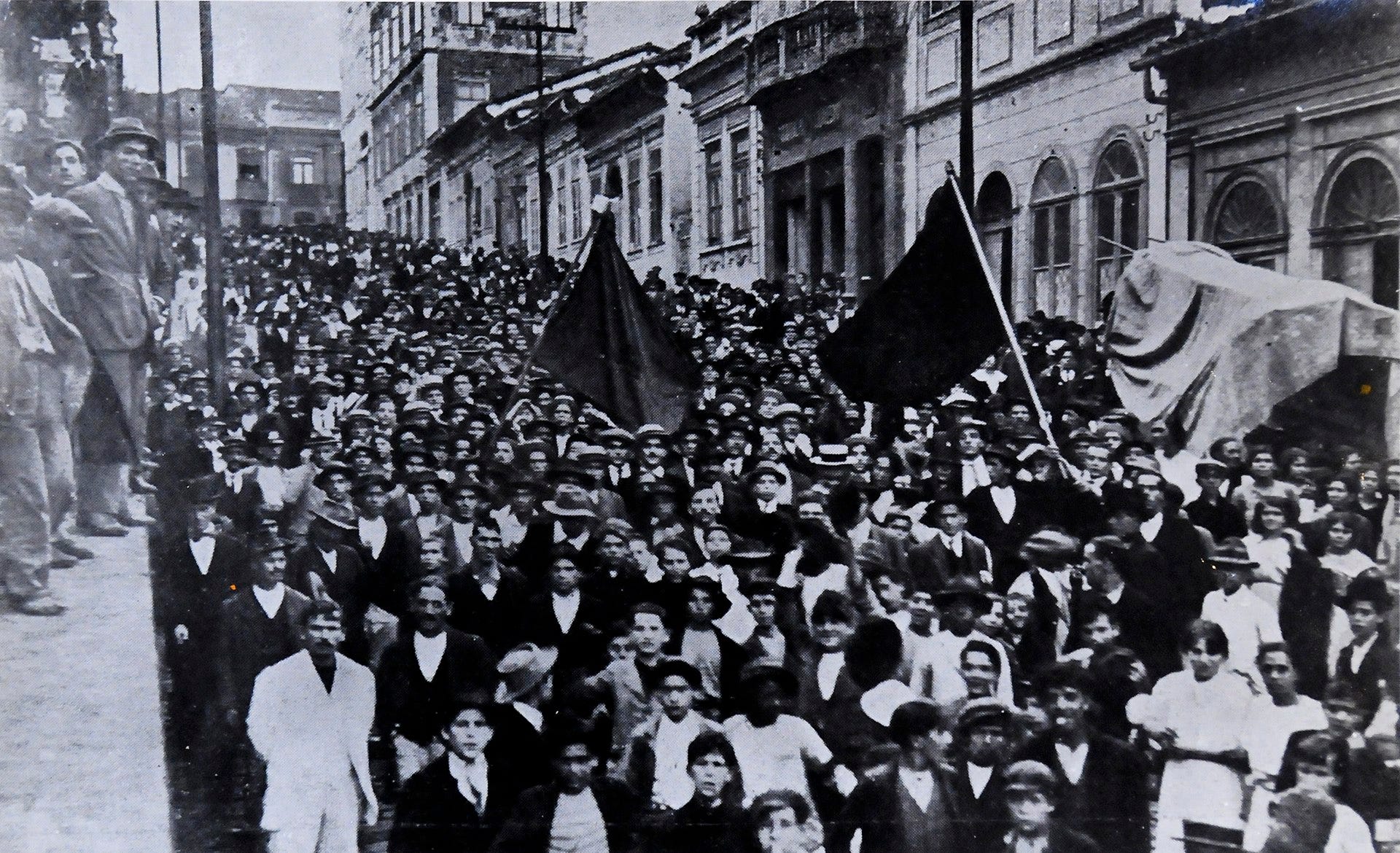
Anarcho-syndicalism emerged in Brazil as a potent force shaping the nation’s labor movement from the late 19th century into the 1920s. Rooted in immigrant radicalism and revolutionary syndicalist principles, it sought to dismantle capitalist hierarchies through direct action and worker self-organization. This essay examines its rise as a transformative labor ideology, its attempts to catalyze revo
Use of architecture in the film "I'm Still Here"
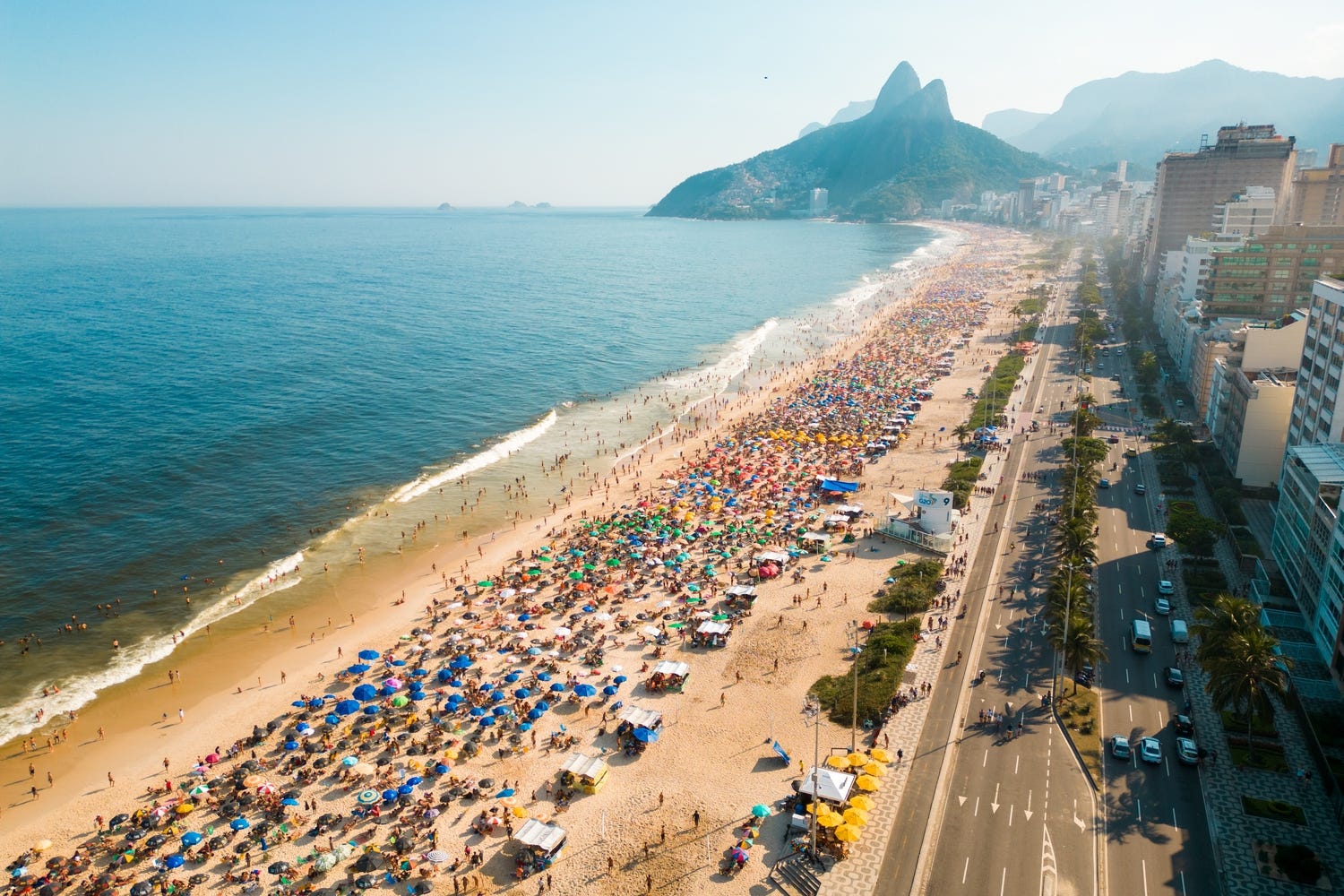
Thanks to @michael for sending the Arch Dailey article on architecture and how it is used in the Brazilian film, “I’m Still Here” which got us thinking about the film in a quite different ways. Here’s our conversation about that topic. Spoiler alert! This is a public episode. If you would like to discuss this with other subscribers or get access to bonus episodes, visit bate.papo.academy
Trump's "Reciprocal Tariff" Tsunami Threatens to Undermine Brazilian Steel Industry
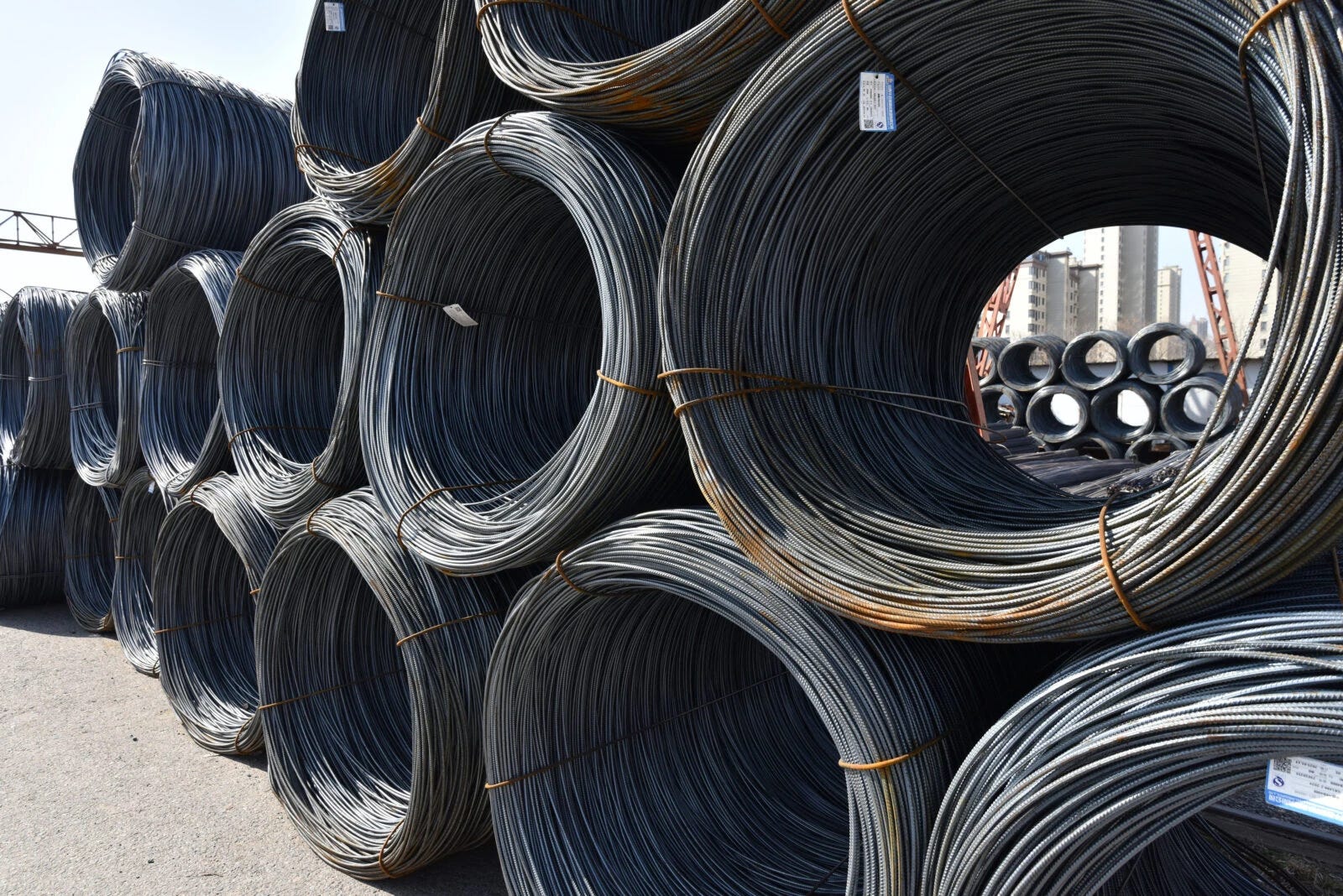
Donald Trump’s return to the U.S. presidency has introduced significant uncertainty to global trade dynamics pushing Brazil’s relationship with the U.S. to the forefront. Trump's proposed "reciprocal tariffs" policy, targeting steel, aluminum, and ethanol, among other products, has raised concerns in Brazil and beyond. While initial market reactions were relatively subdued, Brazilian leaders are p
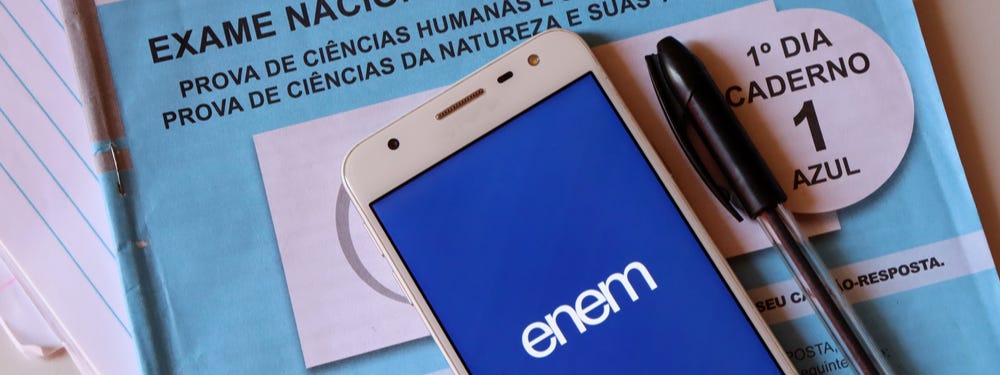
ENEM 2024: Brazil's National Exam Highlights Persistent Educational Disparities
The ENEM (National High School Exam) stands as Brazil's most crucial standardized entrance examination, playing a pivotal role in determining university admissions across the country. The exam has become increasingly competitive over the past decade.The current Minister of Education has confirmed there will be no changes to ENEM's structure in the immediate future, maintaining stability in the exa
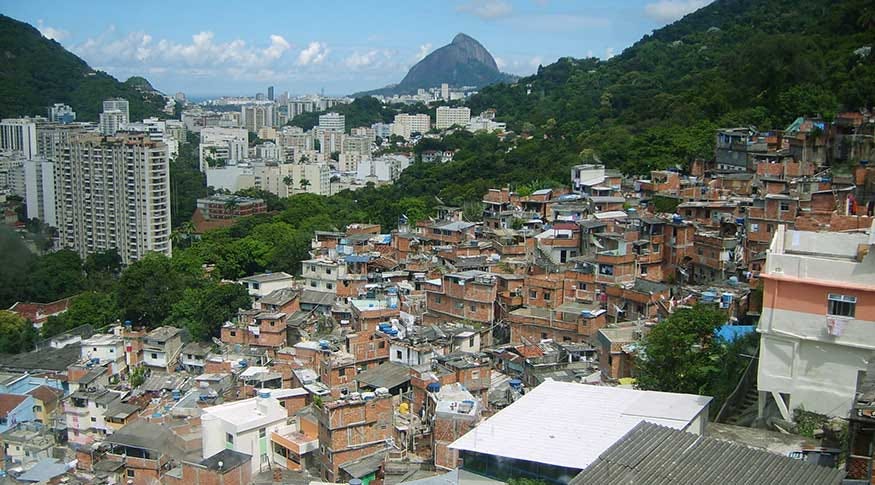
Brazilian Favelas: A 2022 Census Reflection on Growth, Diversity, and Urban Challenges
The discussion is focused on reports from various Brazilian news sources regarding the 2022 Census data focusing on "favelas," a term now officially adopted by the Brazilian Institute of Geography and Statistics (IBGE) to replace the previous "subnormal agglomerates." The data reveals a complex and evolving picture of these communities, highlighting their growth, challenges, and demographic charac
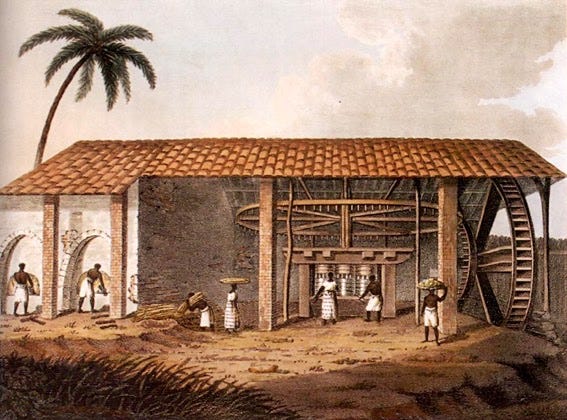
Sweet Profits, Bitter Legacies: The Historical Legacy of Brazil's Sugar Empire
The evolution of Brazil's sugar industry from the 16th through the 19th centuries represents a complex interplay of agricultural innovation, labor systems, and market forces. Portuguese colonists established sugar cultivation in Brazil during the early 16th century, transforming the northeastern regions of Pernambuco and Bahia into the world's primary sugar-producing centers by the 17th century[1]
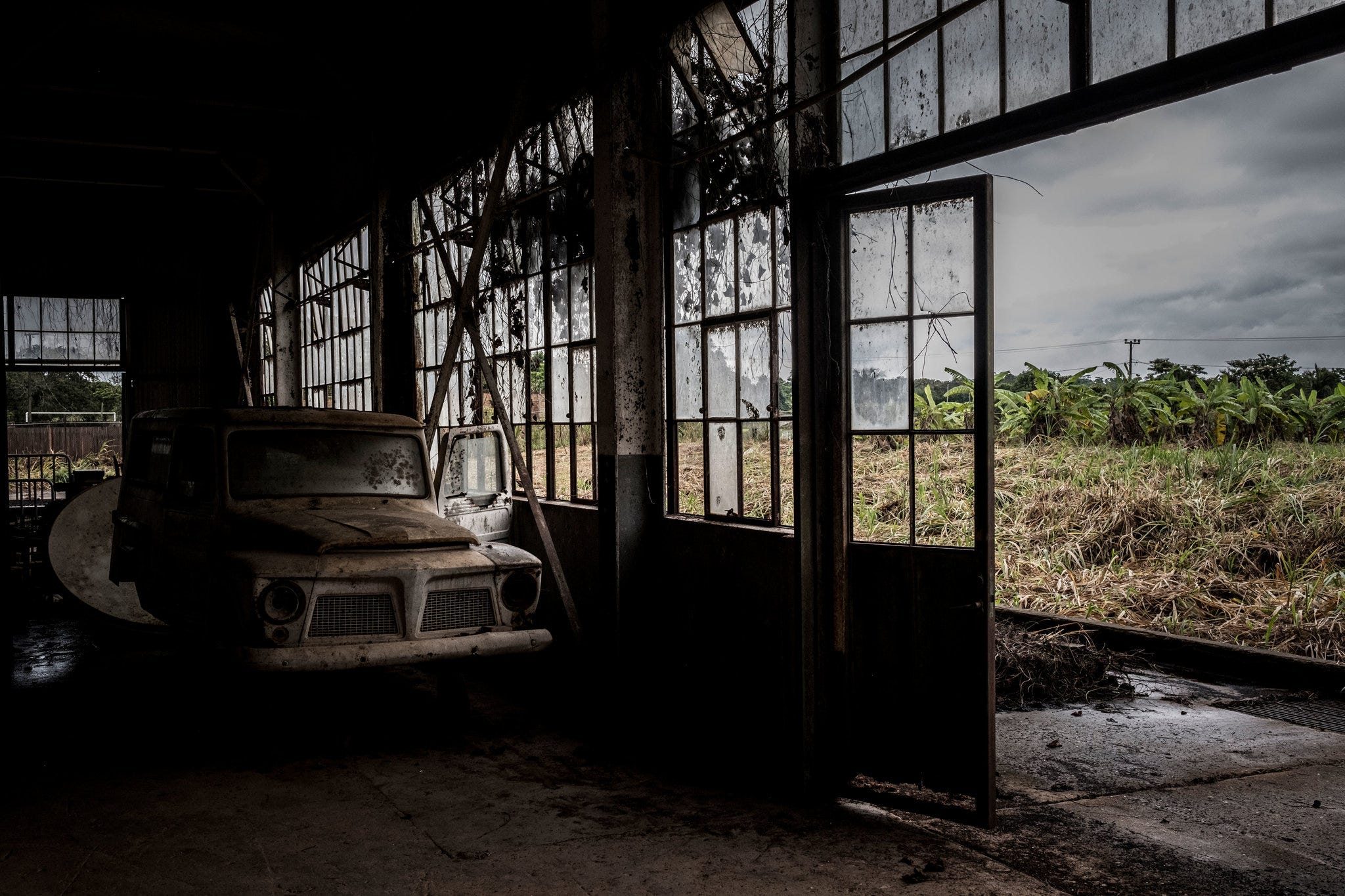
The Rise and Fall of Fordlandia
In the late 1920s, automotive pioneer Henry Ford launched an audacious venture deep in the Brazilian Amazon, driven by his desire to secure a stable rubber supply for his burgeoning automobile empire. This ambitious project, known as Fordlandia, represented both an economic endeavor and a bold social experiment to recreate an idealized American society in the heart of the jungle.The venture emerge
Brazil's Poverty Paradox: Less Poor, Still Extremely Unequal
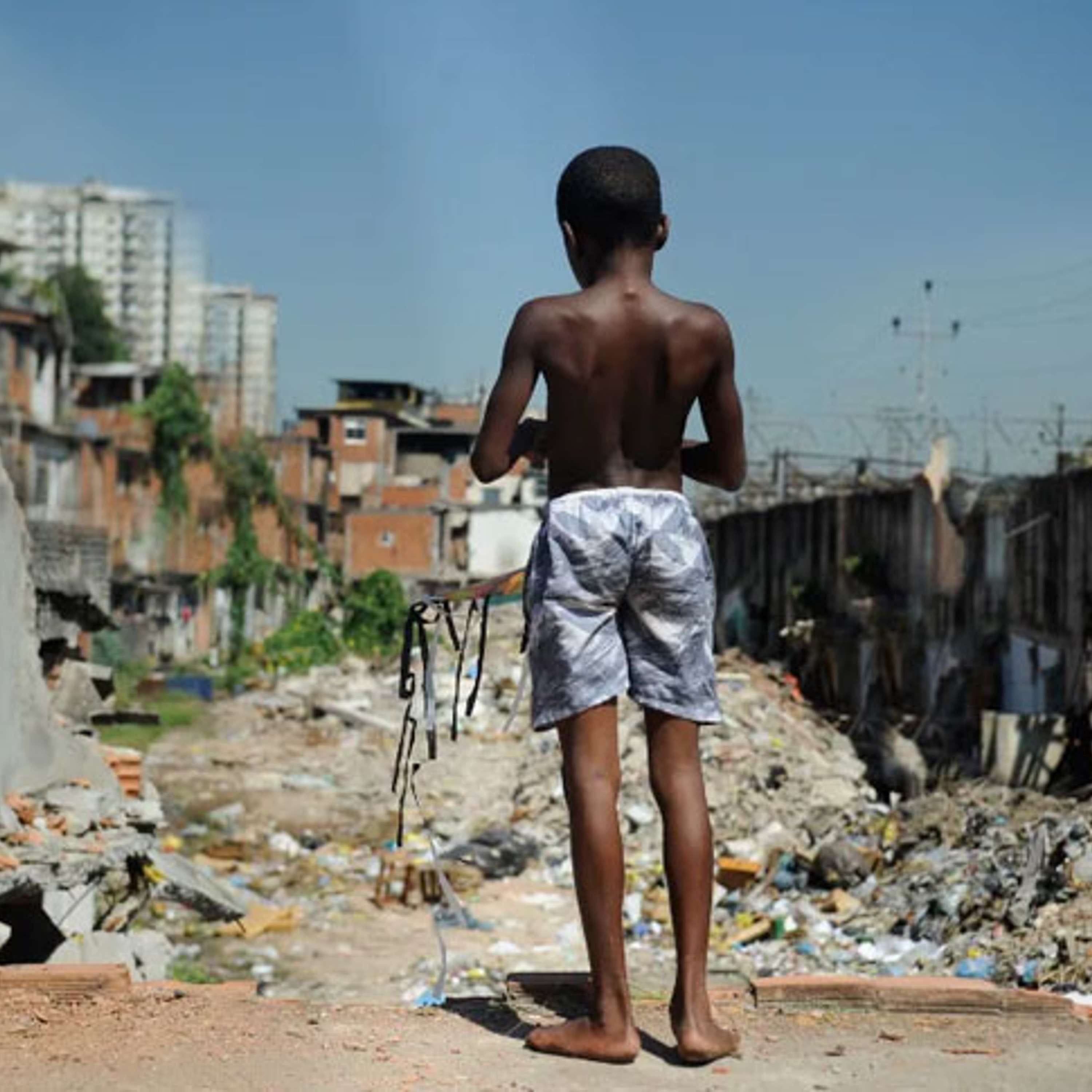
Brazil's recent poverty reduction achievements mark a significant milestone in the nation's social development trajectory. The latest data from IBGE reveals that poverty rates have reached their lowest levels since 2012, with 8.7 million people lifted out of poverty in just one year. The percentage of Brazilians living below the poverty line decreased from 31.6% to 27.4%, while extreme poverty dro
Cellphones in the Brazilian Schools: Between Prohibition and Pedagogical Integration
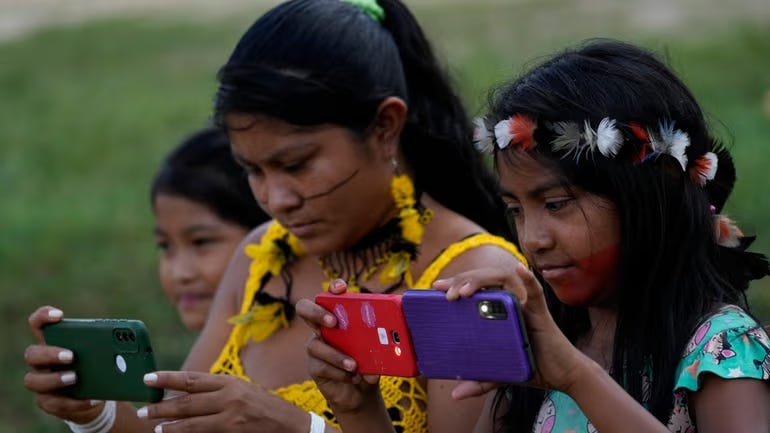
In January 2025, President Lula signed a historic law prohibiting the use of cellphones in Brazilian schools, both public and private. The measure, which will take effect in 30 days, restricts the use of portable electronic devices during classes, recess, and breaks at all stages of basic education.The new legislation emerges at a time of intense global debate about the impact of technology in edu
The Ceará Miracle: How Brazil's Poorest State Became an Education Powerhouse
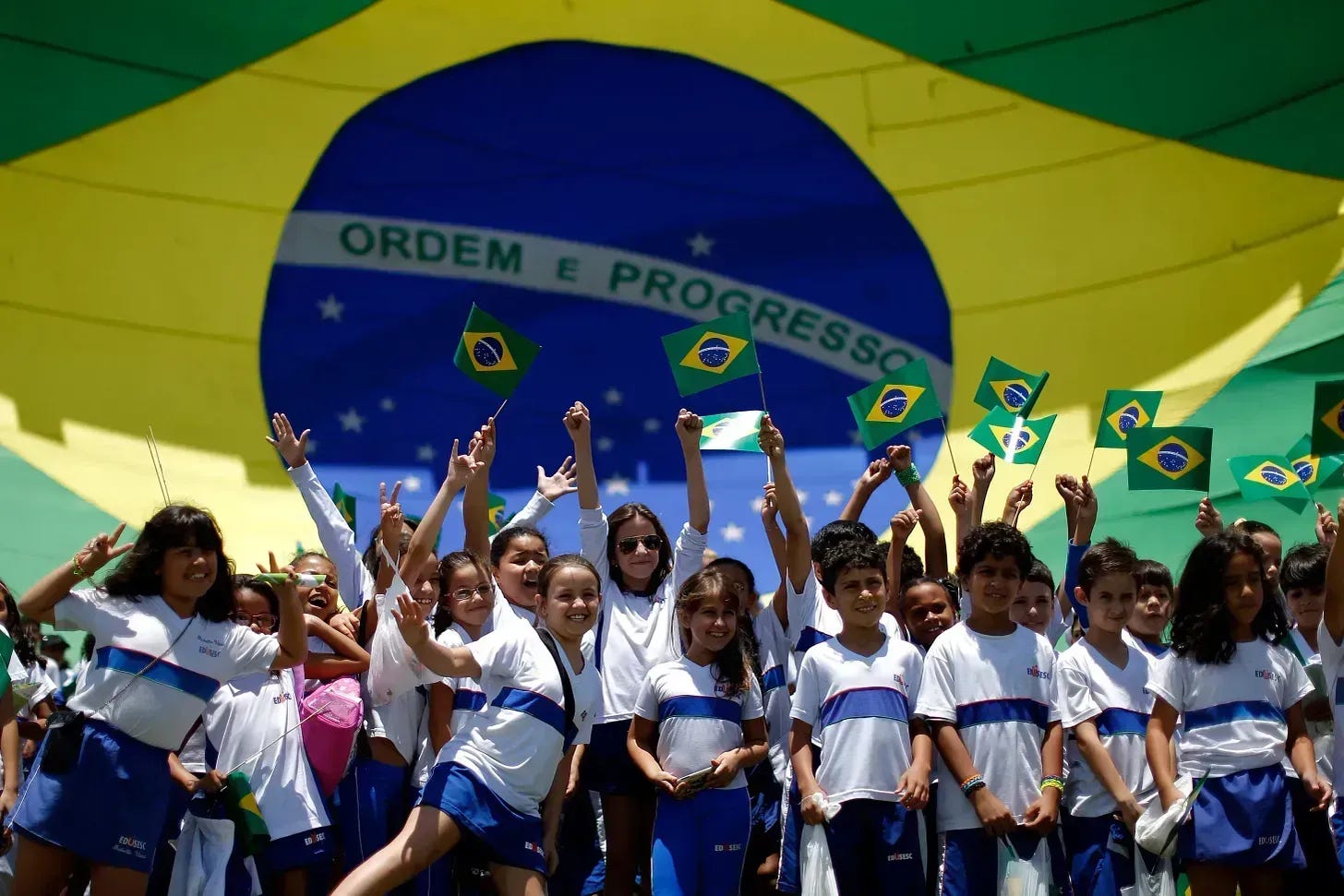
In just over a decade, the Brazilian state of Ceará achieved what many considered impossible - transforming one of the country's poorest education systems into a national leader. Despite having one of the lowest GDP per capita among Brazilian states, Ceará experienced the largest increase in the national education quality index in both primary and lower secondary education since 2005.The transform
Green Dreams, Crude Reality: Brazil's Amazon Oil Dilemma
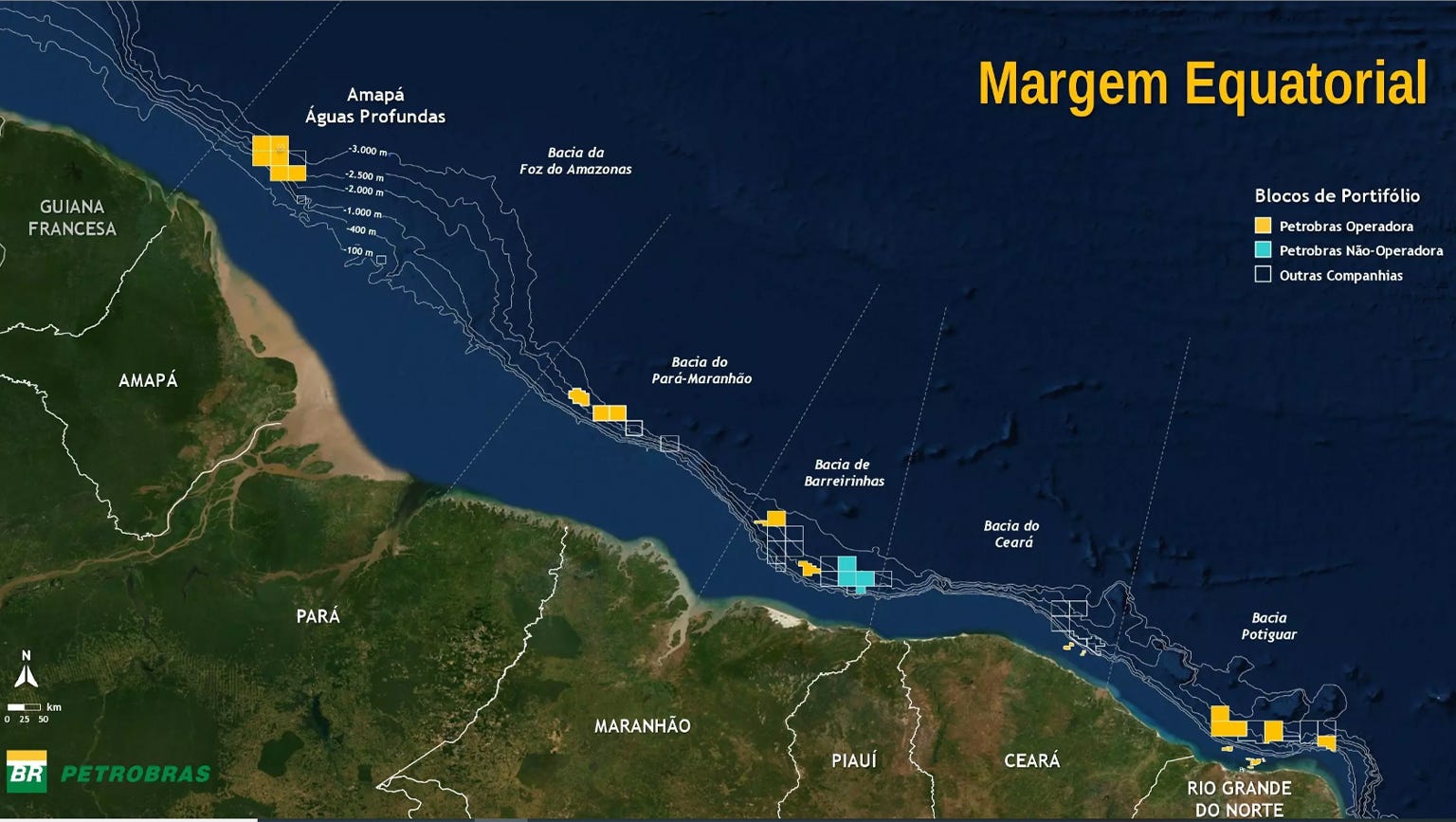
The debate over oil exploration in the Foz do Amazonas (Amazon River mouth) region, also known as the Equatorial Margin, continues to be a contentious issue in Brazil. Recent developments have intensified the discussion, with key stakeholders maintaining their positions while new factors emerge.Lula's Continued Support: President Lula remains a strong advocate for Petrobras' exploration plans in t